For many people living with disability, housing has not always been a matter of choice.
Historically, Specialist Disability Accommodation (SDA) has been influenced by scheme constraints and shared living models, which can limit choice around location, living arrangements, and daily routines. This can affect independence, privacy, and overall quality of life.
As one of Western Australia’s leading SDA providers, with more than 280 homes across greater Perth, and south to Mandurah, Yaran NDIS considers individualised housing, including sole-occupancy living, to be an effective model for supporting greater independence, comfort, dignity, and happiness in everyday life.
The Case for Choice and Control
Research by the Summer Foundation and La Trobe University (2021) highlights that many individuals with disabilities have lived in environments with restricted autonomy, fixed routines, and limited control over their daily lives.
A progressive approach to SDA recognises that people thrive when they have the ability to choose where and how they live, determine their own routines, maintain relationships on their own terms, and participate in work, family, and community life.
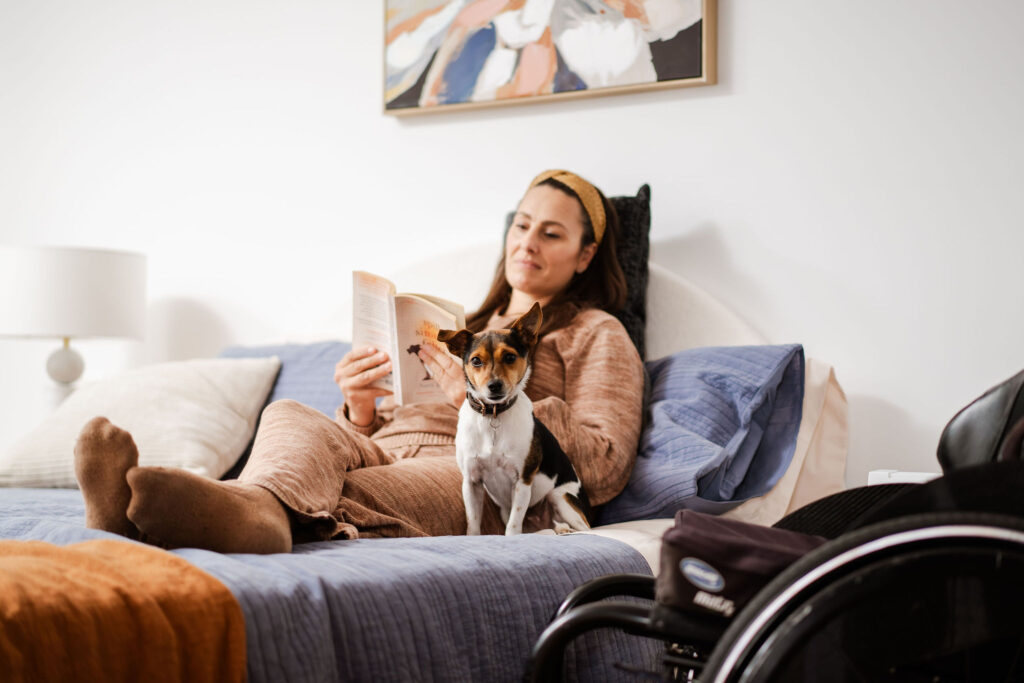
This extends to everyday decisions that are often taken for granted, such as being able to invite people into the home, spend time alone when needed, or own and care for a pet. These practical expressions of independence contribute directly to wellbeing.
The impact of appropriate housing design is measurable. The 2021 study found that participants who moved into well-designed SDA experienced a clear increase in choice and control over their daily lives, alongside higher levels of wellbeing and life satisfaction. Participants also became more engaged in everyday activities such as cooking, shopping, and social participation, key indicators of functional independence.
Importantly, the study also found a reduced reliance on paid support, particularly for passive and overnight care, highlighting that appropriate housing can enable greater independence while improving efficiency in support delivery. Participants consistently reported that their new housing better aligned with their needs and preferences, compared to prior shared or institutional settings, reversing the common situation where individuals are required to adapt to unsuitable living environments.
Privacy and Dignity as Design Outcomes
Privacy is not consistently achievable in shared or institutional environments. In this context, dignity is a direct outcome of design, layout, and housing model.
Sole-occupancy and well-designed Specialist Disability Accommodation enables individuals to maintain control over their personal space, make decisions independently, and reduce reliance on others for everyday activities. This creates a living environment where privacy and dignity are embedded in how the home functions.
About Yaran NDIS
For more than thirty years, Yaran Property Group has delivered residential housing that is affordable, fit for purpose, and environmentally conscious. This experience underpins Yaran NDIS, where the focus is on applying the same development discipline to Specialist Disability Accommodation, ensuring that design, location, and functionality align with the needs of the individual.
The Yaran SDA portfolio has been developed with a clear emphasis on creating homes that support daily living in a practical and sustainable way. This includes a consistent focus on sole-occupancy living, enabling individuals to maintain control over their environment, establish their own routines, and live with a level of privacy that is often difficult to achieve in shared settings.
A key point of difference is the way flexibility is built into each dwelling. Homes are typically configured with an additional bedroom and bathroom, allowing for co-tenants such as family members, guests, or support workers where required. Private courtyards or balconies provide personal outdoor space, complemented by communal areas that support optional social interaction without compromising independence.
Dwellings are designed to High Physical Support (HPS) standards, with the ability to customise layouts and features to suit individual participant needs. This approach allows accommodation of a broad range of SDA funding levels, including participants with shared occupancy considerations, without requiring compromise on functionality or quality of living.
Each development also incorporates a dedicated apartment for Onsite Overnight Assistance (OOA) providers, ensuring support is available when required while maintaining separation between support services and the participant’s private living environment.
Operationally, the model is intended to reduce friction in daily life, by removing many of the constraints associated with shared accommodation, such as competing routines or limited personal space.
The objective is to deliver housing that is fit for purpose and allows people to live their fullest life, in a stable and conformable environment over the long term.
Reference
Summer Foundation & La Trobe University (2021). Moving into new housing designed for people with disability: Evaluation of tenant outcomes (Interim Report).