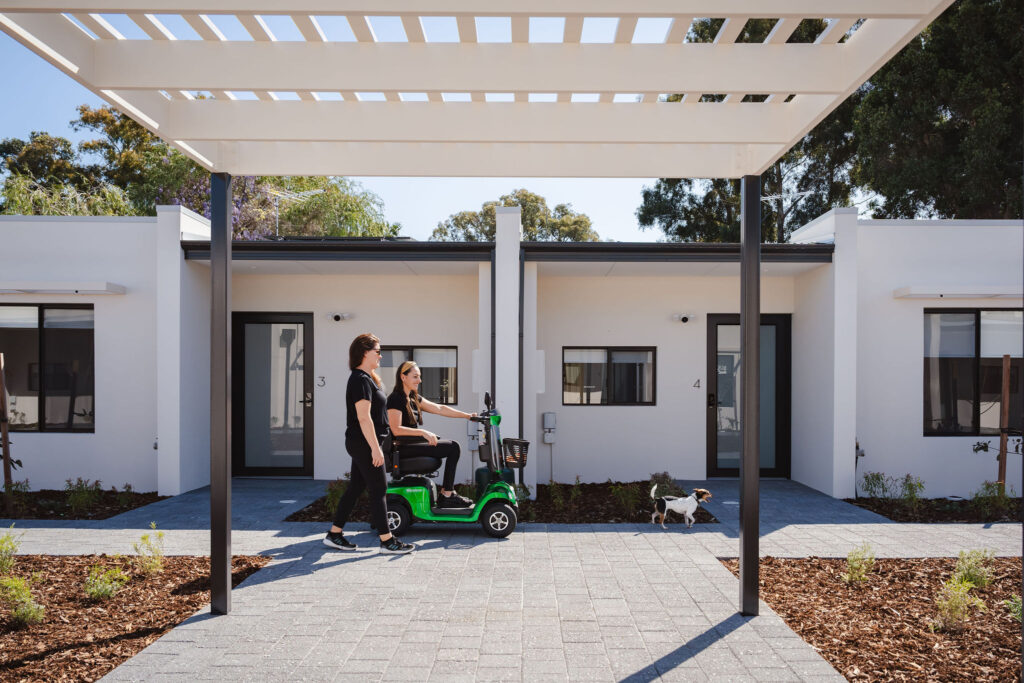
Health outcomes for people with disabilities are shaped not only by individual support needs, but by where people live. The physical environment, access to services, transport, community inclusion and local policy all determine whether people with disability can participate fully in daily life, and, in turn, maintain good health. Yaran’s decision to invest in Specialist Disability Accommodation in Mandurah was grounded in this evidence. Mandurah was selected because it demonstrates the characteristics of a health-enabling community: one where accessibility, inclusion and participation are embedded across the built environment and civic life, not confined to individual buildings or services.
Why Place Matters
A comprehensive overview of systematic reviews by Mitchell et al. (2022) documents that people with disabilities consistently experience poorer health outcomes when their living environments limit access to healthcare, community participation and everyday activities. The research identifies several place-based factors that directly influence health:
- The accessibility of housing, neighbourhoods and public spaces
- Proximity to, and usability of, health and community services
- Availability of accessible transport
- Opportunities for social connection and participation
- Inclusive local governance and service design
Critically, the review found that physical and environmental barriers frequently prevent disabled people from using services that are technically available to them. Inaccessible footpaths, buildings, public amenities and transport routes translate directly into reduced preventive healthcare, lower physical activity and increased social isolation, each a well-established contributor to poorer long-term health outcomes.
Mandurah as an Accessible and Inclusive Community
Mandurah stands out as a location that actively addresses these determinants. In December 2025, the City of Mandurah was named Western Australia’s Most Accessible Community, receiving the overall award in the Most Accessible Community in WA Awards. This recognition reflected consistent, community-wide action across accessible public buildings and Changing Places facilities, inclusive foreshore and open space infrastructure, accessibility embedded in services and events, and ongoing co-design with people with disability and lived-experience advisory groups.
These are not peripheral achievements. They map directly onto the factors Mitchell et al. identify as determinative of health outcomes and they distinguish Mandurah from communities where accessibility remains a compliance exercise rather than a design principle.
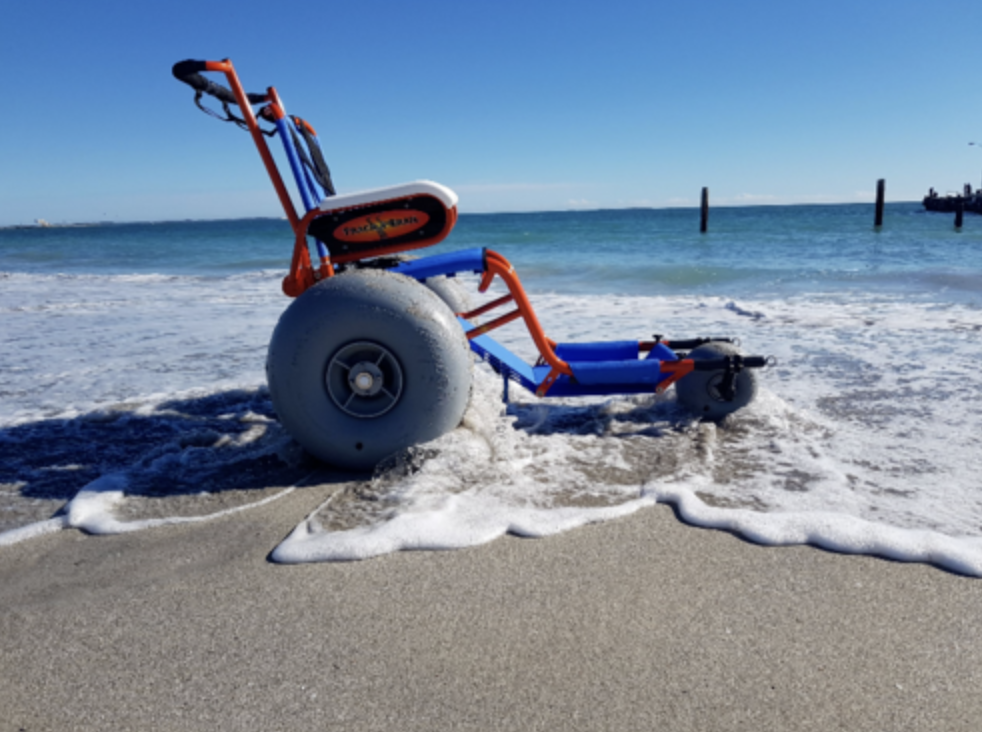
Photo credit: City of Mandurah (https://mandurah.wa.gov.au/community/programs-and-activities/access-and-inclusion/beach-access)
Mandurah’s broader civic life reinforces this picture. At the 2024 Perth Airport WA Tourism Awards, the City and Visit Mandurah were recognised for excellence in festivals, events and visitor services, many of which incorporate accessibility and inclusion measures that allow people with disability to participate alongside the wider community. For people living in SDA, access to events, public spaces and recreational opportunities is not incidental: evidence consistently links these to physical activity, social connection and mental health, each a protective factor against long-term health inequity.
Transport, Services and the Risk of Isolation
Transport barriers, whether related to cost, reliability or physical accessibility, are among the most consistent predictors of poor health outcomes for people with disability. They limit access not only to healthcare, but to employment, recreation and social supports. Mandurah’s regional city status, combined with its investment in accessible public infrastructure, supports more localised access to essential services and facilities. For SDA residents, this reduces the risk of the long-distance travel dependency and social isolation that research repeatedly links to worse outcomes.
Yaran’s Rationale for choosing Mandurah
Yaran’s decision to locate Specialist Disability Accommodation in Mandurah reflects a deliberate, evidence-based approach. Choosing where to build is not a passive decision, it shapes whether residents can access healthcare, participate in community life, maintain social connections and live with genuine autonomy. Mandurah’s recognition as WA’s most accessible community, its demonstrated commitment to inclusive design, and the strength of its local governance on disability inclusion made it the clearest choice available in the region. Yaran is not simply providing housing in Mandurah, it is placing people within a community that is actively designed to support the health and participation outcomes SDA is intended to enable.
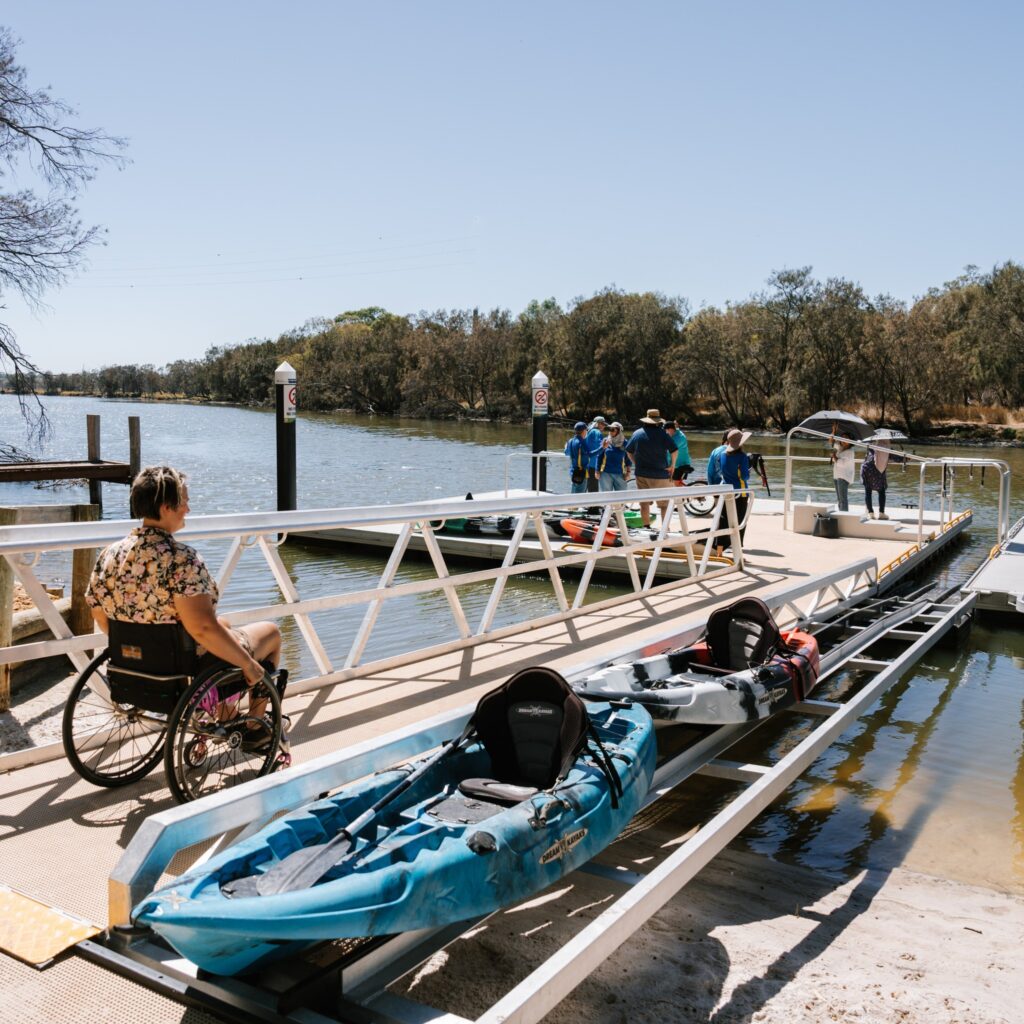
Photo credit: Visit Mandurah / Facebook (https://www.facebook.com/photo/?fbid=1427763792692749&set=pcb.1427763856026076 )
Conclusion
For support coordinators and SDA service providers, location is a meaningful clinical and quality-of-life variable, not just a logistical one. The evidence on social determinants is clear: the right environment reduces barriers, supports participation and protects health. Mandurah’s track record on accessibility and inclusion means that residents placed in Yaran’s SDA properties are not working against their environment to achieve those outcomes. They are working with it.
Reference
1. Mitchell, R. J. et al. (2022). An overview of systematic reviews to determine the impact of socio-environmental factors on health outcomes of people with disabilities. Health & Social Care in the Community, 30, 1254–1274.
2. City of Mandurah (December 2025). Mandurah named WA’s Most Accessible Community. Available at: https://www.mandurah.wa.gov.au
3. City of Mandurah (November 2024). Mandurah’s excellence in tourism recognised at 2024 Perth Airport WA Tourism Awards. Available at: https://mandurah.wa.gov.au